EcoFlow STREAM 5000 UK Buying Review: Is the Bigger Battery Worth It?
An independent look at the STREAM 5000: UK installation, conditional output, total cost and whether your home needs the extra storage.
In this article 9 sections
The EcoFlow STREAM 5000 makes most sense when a small battery would leave useful solar energy going spare. The question is whether your home can fill it, use it and justify the installed cost.
Checked 16 October 2026. Affiliate links may earn PlugInSol a commission at no extra cost to you.
Our verdict
Worth shortlisting for a properly designed solar-and-storage installation; harder to justify for a modest daytime surplus. Bigger storage is useful only when you have electricity to put into it and demand to draw it out again. Buy on the strength of a household energy calculation and an installation quotation, rather than the largest number on the box.
Already have a solar inverter and want storage? Compare the STREAM AC 5000 first. For the broader range, see our STREAM 2 overview.
What are you buying?
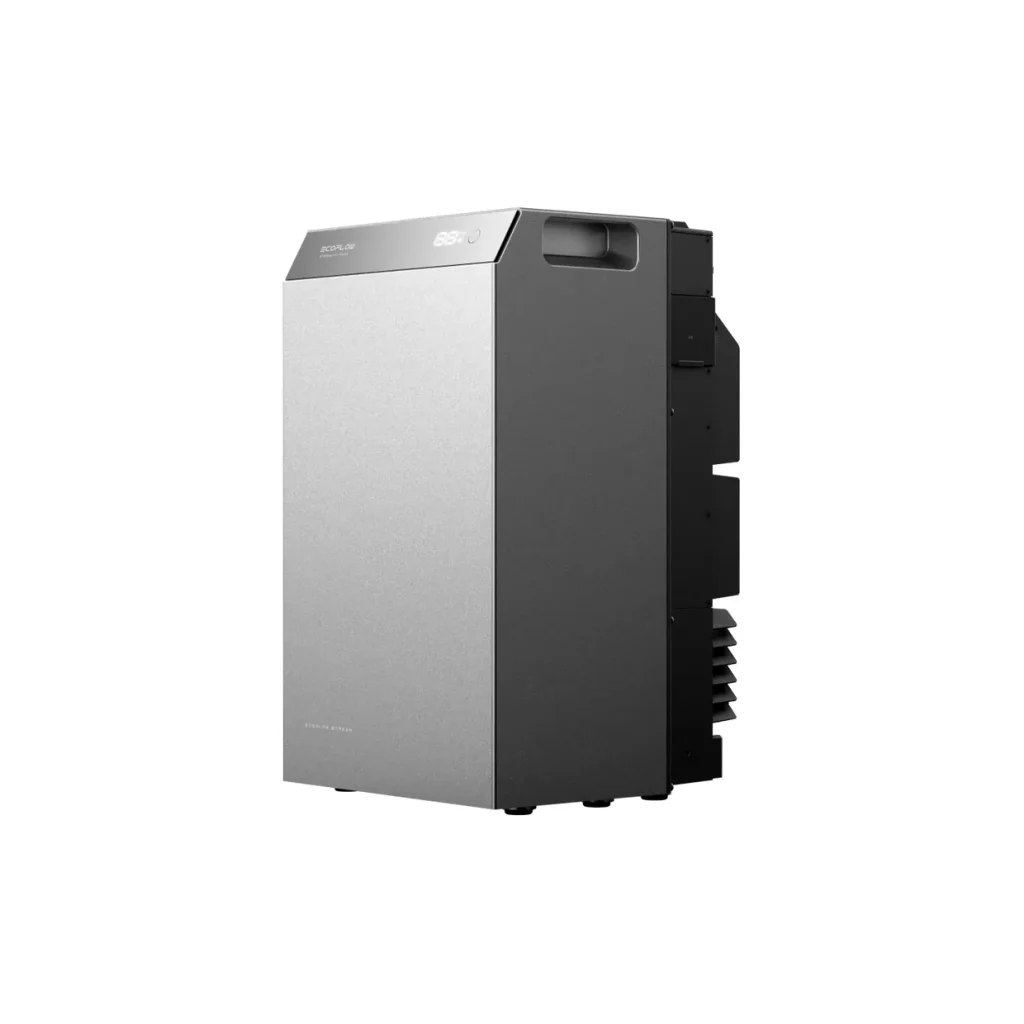
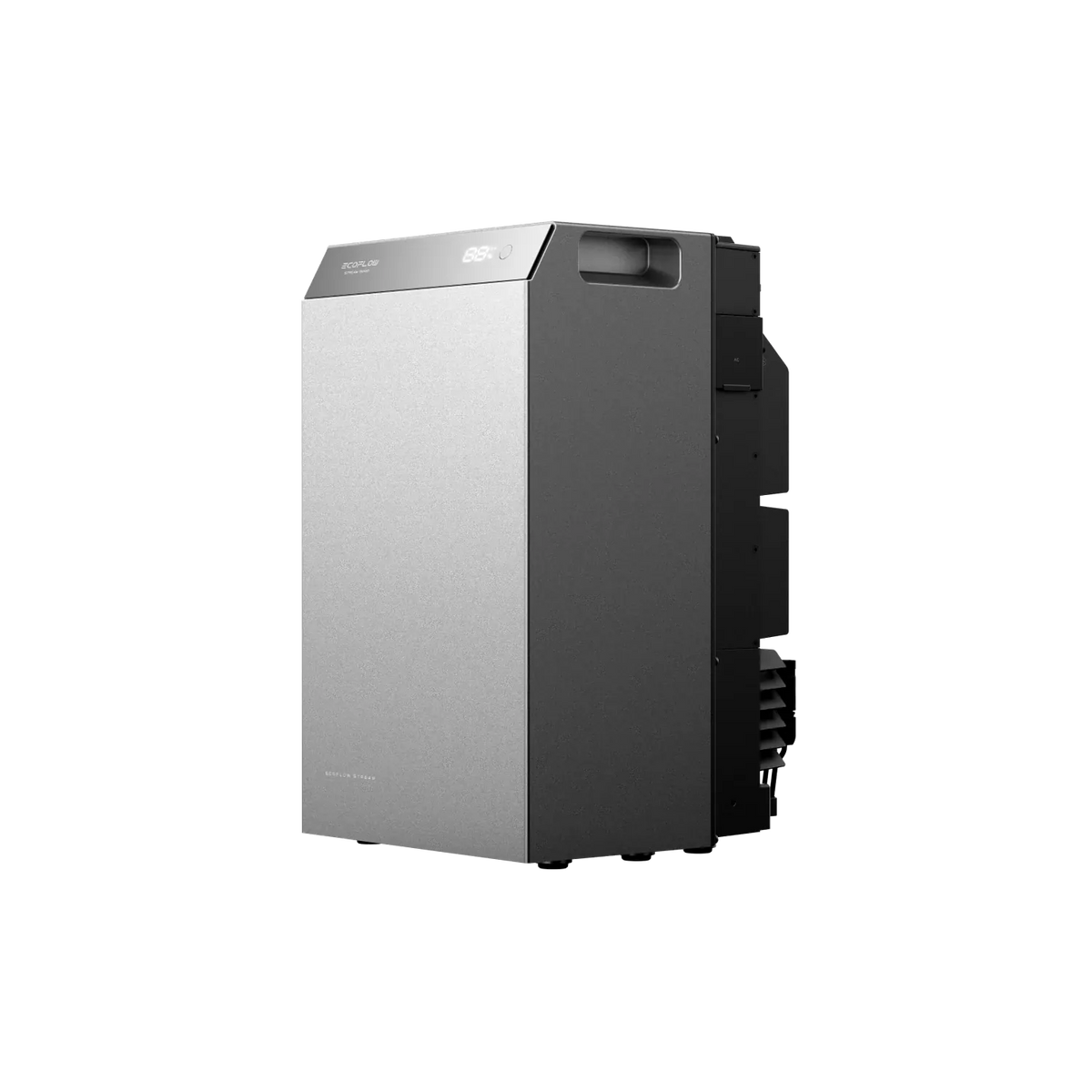
EcoFlow specifies 5,024Wh of storage, four solar trackers and up to 5,000W of solar input. It lists a 45.4kg weight, IP65 protection and a ten-year warranty subject to its terms. The UK store displayed £1,699 for the basic unit when checked, with estimated dispatch in the fourth week of October. Sold-out labels also appeared: confirm availability and the exact configuration before paying.
Check the STREAM 5000 price and delivery at EcoFlow →
Does it plug into a UK socket?
No: EcoFlow’s UK instructions specify professional connection to the distribution board. Do not treat overseas plug-and-play demonstrations as UK installation instructions. Ask your electrician to confirm the connection, protection, permitted output and applicable network paperwork before ordering.
That changes the buying decision. You are comparing an installed system, not simply a battery’s shelf price. Request a quotation covering labour, cabling, protection, metering, commissioning and any work needed to your existing installation.
What does the 3,000W claim mean?
EcoFlow’s technical material distinguishes battery-only output from output supported by solar or an expansion battery. Its FAQ gives 2,500W for a standalone unit’s off-grid outlet, rising to 3,000W with an expansion battery. The 3,000W grid-tied claim is conditional on solar input or expansion. Have the installer confirm the limit for your exact design.
The practical question is what happens on a dark winter evening. A headline output achieved with solar contributing is a different proposition from the battery powering the same load after sunset. Also distinguish the appliance outlet, grid-connected output and mains bypass: adding their advertised ratings together does not establish how much the battery can supply.
Who is the extra capacity useful for?
Start with a week of actual import and export readings. If substantial solar generation leaves your home while you are out, and you import again after sunset, storage may solve a real mismatch. If there is little surplus, a larger battery will not create it.
For a smaller array, examine seasonal performance rather than assuming a full charge every day. Long summer days and short winter days produce very different opportunities. A system sized around its best day can spend much of the year underused.
Cheap overnight charging is another possible use, but the relevant saving is the avoided daytime cost minus the cost of all charging electricity. Conversion losses, standby use and any subscription charges belong in that calculation. A tariff spread alone is not a measured return.
How should you assess payback?
Use the installed quotation and a conservative estimate of annual net savings. As a sensitivity check, every £1,000 of installed cost needs £100 a year of net savings for a ten-year simple payback. That is arithmetic, not a prediction for this product; it excludes financing, changing tariffs and the time value of money.
When storing solar that could have earned export payments, subtract the export income sacrificed on the energy used to charge the battery. Otherwise you overstate the benefit. Our small solar battery buying guide explains the trade-offs.
What about existing STREAM owners?
Do not assume an older battery becomes a compatible expansion module. At the time of checking, EcoFlow’s product page advertised previous-generation compatibility while its FAQ still said specific details had not been announced. Get written confirmation for your model, firmware and intended connection before making an upgrade purchase.
Keeping two products in the same app, controlling them together and physically linking their batteries are different capabilities. Ask which of those is supported. Owners comparing a smaller alternative can read our STREAM Ultra X buying review.
Reasons to shortlist it—and reasons to pause
- Shortlist it if a larger solar installation leaves regular surplus and you have substantial later demand.
- Compare the AC 5000 if you already have solar conversion equipment and mainly need storage.
- Pause if your case depends on a full daily cycle throughout winter, unconfirmed compatibility or a socket-only installation.
- Get the total price before comparing it with another home battery. Accessories and installation can change the ranking.
Before you order
Ask for the precise product and bundle, delivery date, installation scope, supported output, compatible meter, any paid app features and written confirmation of existing-equipment compatibility. Check the warranty’s exclusions as carefully as its duration. A well-matched smaller system can be a better purchase than an impressive system you rarely use fully.
See current STREAM 5000 options at EcoFlow →
Technical references: EcoFlow UK product specifications and FAQs; EcoFlow range information and output conditions. Prices and availability can change.